

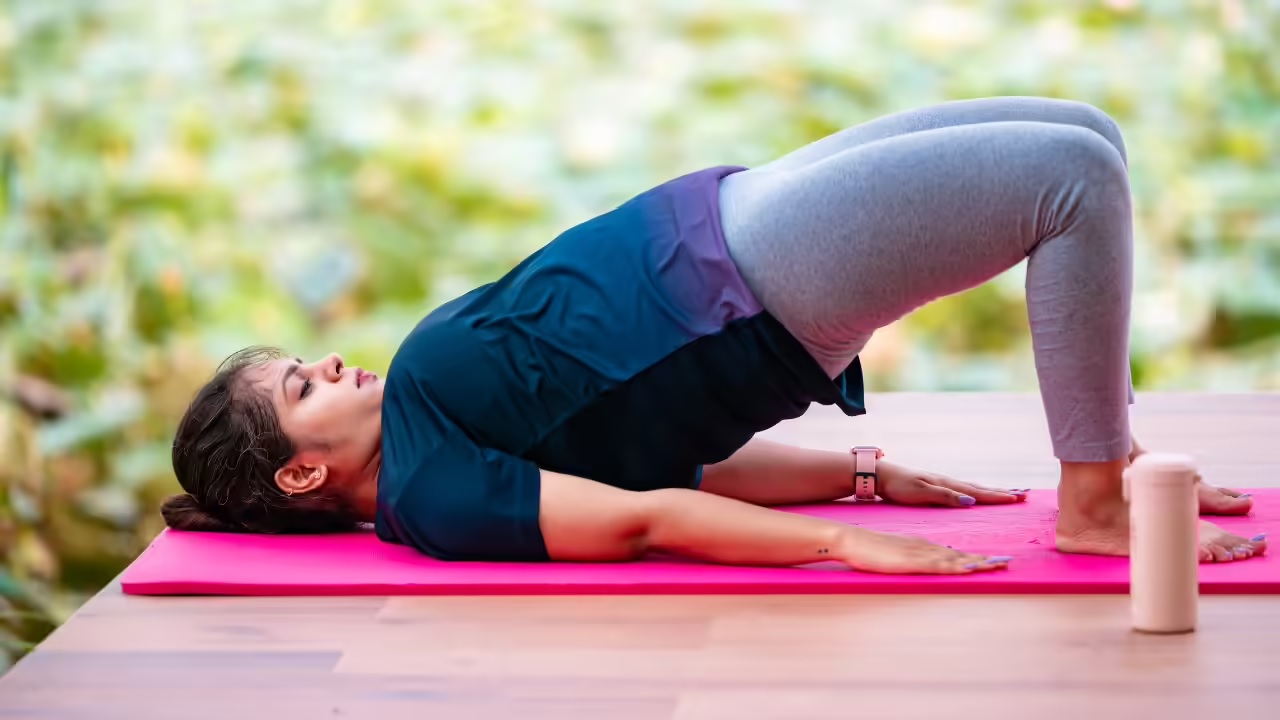
Women go through several hormonal changes throughout life, from puberty to pregnancy and eventually menopause. These transitions can bring both physical and emotional challenges, often affecting energy levels, mood, sleep, and reproductive health. One natural and effective way to support these stages is through dedicated yoga classes. Beyond flexibility and strength, yoga offers targeted benefits for balancing hormones, improving reproductive wellness, and helping women feel more in tune with their bodies.
The Connection Between Hormones and Women’s Health
Hormones act as messengers in the body, regulating everything from menstrual cycles to metabolism. Even small imbalances can cause significant issues, including irregular periods, infertility, mood swings, and hot flushes during menopause.
Stress, lack of exercise, poor diet, and disrupted sleep can all influence hormone levels. Yoga helps address these challenges by reducing stress, stimulating glandular function, and creating balance in both body and mind.
How Yoga Supports Hormonal Balance
Yoga influences the endocrine system, which is responsible for hormone production and regulation. Specific poses and breathing techniques improve circulation around glands such as the ovaries, thyroid, and adrenal glands, helping them function more effectively.
Key benefits of yoga for hormonal health include:
-
Reducing cortisol levels: Excess stress hormone disrupts reproductive health, and yoga lowers cortisol naturally.
-
Stimulating reproductive organs: Poses that increase blood flow to the pelvic area support menstrual and fertility health.
-
Balancing the thyroid gland: Certain postures improve thyroid function, which influences metabolism and menstrual cycles.
-
Promoting relaxation: Regular practice creates a calmer nervous system, reducing PMS symptoms and mood swings.
Yoga for Menstrual Health
Many women experience discomfort, irregularity, or pain during their menstrual cycles. Yoga can help ease cramps, regulate cycles, and support overall menstrual wellness. Gentle, restorative postures relieve pelvic tension, while mindful breathing reduces emotional stress.
Recommended poses for menstrual support:
-
Supta Baddha Konasana (Reclining Bound Angle Pose): Opens the hips and relieves menstrual cramps.
-
Setu Bandhasana (Bridge Pose): Stimulates abdominal organs and reduces fatigue.
-
Balasana (Child’s Pose): Calms the mind and relieves back pain during menstruation.
Consistent practice creates healthier cycles and a more positive relationship with one’s body.
Yoga for Fertility and Reproductive Wellness
For women preparing for pregnancy or facing fertility challenges, yoga provides a holistic support system. Stress reduction is a major factor, as high cortisol levels can interfere with ovulation. Yoga creates an environment of calm, which is essential for reproductive health.
Fertility-focused benefits include:
-
Improved circulation in the pelvic region, supporting ovarian and uterine health.
-
Strengthened pelvic floor muscles for pregnancy preparation.
-
Hormonal regulation through stress management and gland stimulation.
Meditation and pranayama techniques such as alternate nostril breathing also help prepare the body and mind for conception.
Yoga for Pregnancy
Prenatal yoga is widely recommended for expectant mothers because it improves comfort, prepares the body for childbirth, and supports emotional wellbeing. Gentle stretches help ease common pregnancy discomforts like backache and swelling.
Benefits of yoga during pregnancy:
-
Enhanced flexibility in the hips and pelvis, aiding labour preparation.
-
Strengthening postures that build stamina for childbirth.
-
Breathing techniques that teach mothers how to manage contractions.
-
Emotional support through mindfulness practices that reduce anxiety.
Pregnant women often find that yoga creates a stronger connection with their growing baby, making the journey more mindful and empowering.
Yoga for Menopause and Beyond
Menopause brings significant hormonal changes that may cause hot flushes, sleep disturbances, and mood fluctuations. Yoga offers gentle yet powerful tools to manage these symptoms naturally.
Yoga during menopause helps by:
-
Reducing hot flush intensity with cooling breath techniques.
-
Supporting bone health through weight-bearing postures.
-
Managing emotional shifts with meditation and mindfulness.
-
Improving sleep by calming the nervous system.
This stage of life can feel transformative when yoga is incorporated regularly, as it provides not only physical relief but also emotional acceptance.
The Importance of Breathwork and Meditation
While postures are important, breathwork and meditation play an equally vital role in supporting hormonal and reproductive health. Stress is one of the biggest disruptors of hormonal balance, and slow, conscious breathing immediately calms the nervous system.
Meditation helps regulate emotional responses, making it easier for women to handle PMS, fertility challenges, or menopause-related mood swings. Over time, it creates resilience and a more grounded sense of wellbeing.
The Role of Community in Women’s Health
Joining yoga classes also provides a supportive community, which is particularly beneficial for women navigating hormonal changes. Practising alongside others creates motivation, encouragement, and a sense of belonging that strengthens emotional health.
For many women in Singapore, Yoga Edition becomes more than exercise, it transforms into a lifestyle that promotes overall balance and harmony.
Why Consistency Matters
To see lasting changes in hormonal and reproductive health, consistency is key. Attending yoga classes two to three times per week and practising short sequences at home ensures the benefits extend into daily life. Over time, the body adapts, stress reduces, and hormones naturally realign.
FAQ
Q1. Can yoga help regulate irregular menstrual cycles?
Yes. Consistent practice of gentle postures and breathing techniques can improve blood circulation and reduce stress, which often regulates cycles.
Q2. Is yoga safe during all stages of pregnancy?
Prenatal yoga is safe when guided by a trained instructor. However, women should always consult their doctor before starting or continuing classes during pregnancy.
Q3. How does yoga reduce PMS symptoms?
Yoga lowers cortisol levels, relaxes the nervous system, and relieves muscle tension, all of which reduce bloating, cramps, and mood swings.
Q4. Can yoga help with fertility struggles?
Yoga cannot guarantee pregnancy, but it improves reproductive health by lowering stress, improving blood flow to the reproductive organs, and balancing hormones.
Q5. At what age should women start yoga for hormonal health?
There is no age limit. Women of all ages can benefit, whether it is to support menstrual health, prepare for pregnancy, or ease the transition into menopause.