

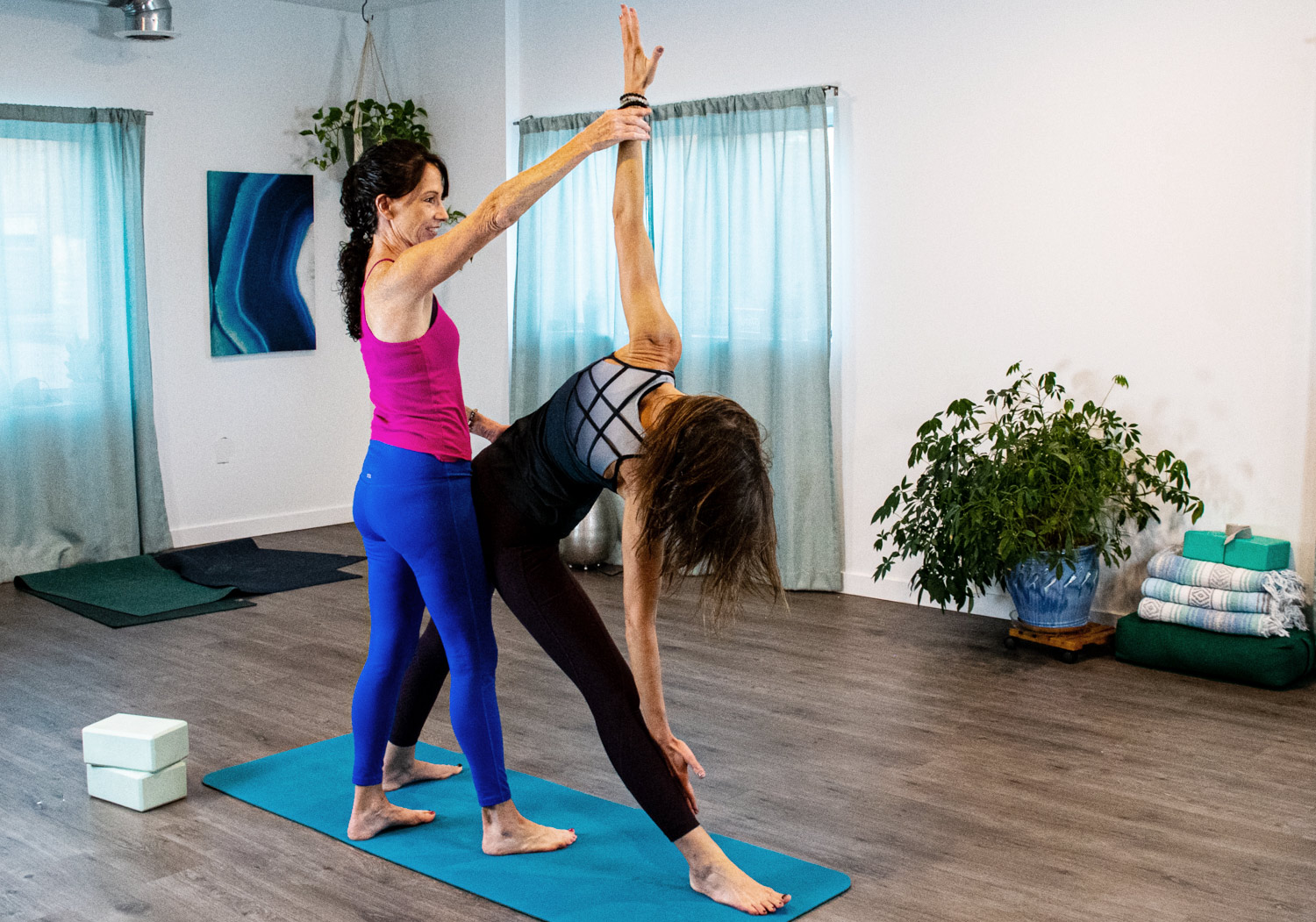
Here is something most yoga studios will not tell you when they are signing you up for a teacher training programme: a 200-hour certificate qualifies you to teach yoga in roughly the same way that a driving theory test qualifies you to handle a Formula One car. The certificate matters. It is necessary. But on its own, for the specific demands of working privately with individuals who have real health histories, real injuries, and real medical complexities, it is nowhere near sufficient.
This is not a criticism of teacher training programmes. It is simply an honest acknowledgment of what they are designed to do, which is introduce teachers to the foundational elements of yoga instruction in a group class format. The moment a teacher steps into the world of private yoga instructor Singapore work, the demands shift considerably. Suddenly there is no class average to cater to. There is one person, with one set of circumstances, expecting results that are specific to them.
The Gap That Nobody Talks About
Walk into most private yoga consultations in Singapore and you will find one of two scenarios. In the first, the instructor conducts a brief conversation about the client’s goals and recent injuries, nods thoughtfully, and then proceeds to deliver something that resembles a modified group class. In the second, a well-prepared instructor conducts a systematic intake that covers medical history, current medications, previous surgical procedures, movement history, sleep quality, stress levels, and lifestyle factors before a single posture is attempted.
The difference between these two scenarios is not talent. It is additional education.
The qualification gap in Singapore’s private yoga instruction market is real and it matters for client outcomes. A teacher working privately with a 54-year-old woman managing both osteoporosis and anxiety needs to understand which postures create fracture risk in osteoporotic bone, how the client’s anxiety medication affects heart rate response during exercise, and how to design a practice that addresses both presentations simultaneously without exacerbating either. None of this is covered in standard teacher training. All of it is learnable. But only if the instructor has pursued it.
What Genuine Competency for Private Work Requires
Let us be specific about what additional education actually looks like for a private yoga instructor who wants to work responsibly with the range of presentations that Singapore’s adult population brings.
Functional anatomy at a depth beyond what yoga teacher training covers is the first requirement. Not the ability to name muscles during a class cue, but a working understanding of how specific muscles, joints, and connective tissue structures are loaded in each posture, what loading conditions are therapeutic for specific conditions, and which conditions require specific postures to be avoided entirely. This level of anatomy knowledge requires dedicated study beyond a yoga teacher training module.
Basic understanding of common medical conditions and their implications for movement is the second requirement. The private yoga instructor in Singapore will regularly encounter clients managing type 2 diabetes, hypertension, osteoporosis, herniated discs, rotator cuff pathology, anxiety disorders, and post-surgical recovery. Each of these presentations has specific movement implications that affect programme design. Understanding them at a working level does not require a medical degree, but it does require deliberate study and ideally some form of continuing education in therapeutic yoga or allied health.
Functional movement assessment skills are the third requirement. The ability to systematically observe a client’s basic movement patterns, identify the compensation strategies and movement deficiencies that will affect their yoga practice, and design a programme that progressively addresses these findings is a distinct professional skill that is not taught in standard yoga teacher training but that is directly teachable through specialist programmes.
Communication and professional boundary management complete the picture. Private yoga instruction places instructors in an unusually intimate professional relationship with their clients. The skills of maintaining appropriate professional boundaries, communicating clearly about scope of practice, knowing when to refer to other health professionals, and managing the relational dynamics of a one-on-one health service are not yoga-specific skills but are essential for anyone practising in this format.
How Singapore’s Better Private Instructors Are Addressing This
The private yoga instructors in Singapore who have built genuine reputations for working effectively with health-specific populations have typically pursued their additional education through a combination of formal programmes and supervised practice experience.
Therapeutic yoga training programmes, including those offered internationally through organisations like the International Association of Yoga Therapists, provide structured curricula that address the anatomy, pathology, and clinical communication skills that private work requires. Several Singapore-based instructors have completed these programmes through intensive residential courses, online study, and local clinical placements with physiotherapy and sports medicine providers.
Anatomy and movement education through allied health continuing education channels has become more accessible in Singapore over the past decade, with physiotherapy clinics, sports medicine centres, and anatomy education organisations offering workshops and courses that yoga teachers can access alongside their clinical counterparts.
Mentorship relationships with experienced therapeutic yoga teachers or with allied health professionals who understand the yoga application are among the most valuable professional development resources available, providing the case-based learning that formal programmes cannot fully replicate.
Studios like Yoga Edition that maintain high standards for their private instruction offering and that invest in their teachers’ continuing professional development are setting a bar that benefits the entire Singapore private yoga instruction community. The qualification gap is real, but it is closeable, and the instructors who close it are the ones whose private practices produce outcomes that justify the investment clients make in them.