

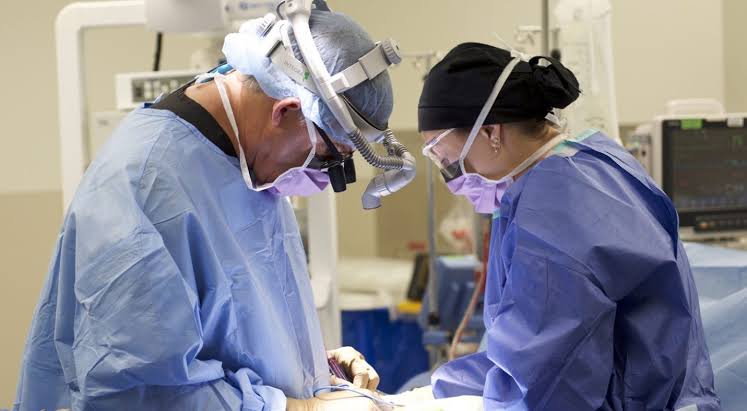
Spine surgery is usually considered only after a careful review of symptoms, function, imaging and prior treatment. Patients may arrive at a consultation with severe pain, a concerning MRI report or frustration after months of limited activity. Dr. Larry Davidson, a board-certified neurosurgeon with fellowship training in complex spinal surgery, reminds specialists to look at the full picture before deciding whether a procedure makes sense.
That process can help patients understand that surgery is not based solely on pain. A scan may show several changes, but only one finding may relate to the symptoms. In other cases, imaging may look concerning while the patient’s function remains stable. Determining whether surgery is appropriate requires a structured review of the problem’s cause and its impact on daily life.
Starting With the Main Complaint
The first step is understanding what brought the patient to care. Some patients are most concerned about back or neck pain. Others describe pain that travels into an arm or leg, numbness, weakness or trouble walking. These details help shape the evaluation’s direction.
Specialists also ask when symptoms began, what makes them worse, and what has changed over time. Sudden pain after an injury may suggest one concern, while slowly progressive symptoms over months may suggest another. The patient’s story helps narrow the likely source before discussing treatment options.
Looking at Function and Daily Limits
Function carries significant weight during surgical evaluation. A patient may have pain but still walk, sleep, and work with manageable adjustments. Another patient may have less intense pain but worsening weakness, reduced walking distance or trouble using the hands.
Daily limits help show whether the condition is disrupting life in a meaningful way. Trouble climbing stairs, standing long enough to cook, gripping objects or walking through a store can reveal how symptoms affect independence. These details help specialists decide whether continued conservative care remains reasonable or whether another step should be considered.
Matching Imaging with Symptoms
Imaging can show disc herniation, spinal narrowing, arthritis, fractures or instability. These findings can be important, but they need to fit the patient’s symptoms and exam. A disc problem pressing on a nerve may explain leg pain that follows the same nerve path. A finding on the opposite side may not.
Dr. Larry Davidson has emphasized, “If we can clearly identify a specific pathology that matches the patient’s symptoms and they have fully exhausted conservative treatments, surgery may become a reasonable option.” This matching process helps reduce unnecessary procedures and keeps the decision tied to symptoms, function, and clinical evidence.
Reviewing the Physical Exam
The physical exam helps confirm whether the body shows signs that match the patient’s history and imaging. Specialists may test strength, reflexes, sensation, walking pattern, balance and range of motion. These findings can suggest whether nerves or the spinal cord are involved.
The exam may also point away from the spine. Hip disease, shoulder injury, peripheral nerve compression, or circulation problems can mimic spine symptoms. A careful exam helps avoid treating a scan finding when another condition may be responsible for the pain.
Considering Conservative Treatment First
For many spine conditions, nonsurgical care is considered before surgery. Physical therapy, medication, activity changes, injections and time may reduce symptoms and improve movement. These approaches are often appropriate when nerve function is stable, and no urgent warning signs are present.
Specialists usually ask what care has already been tried and how the patient responded. A brief attempt at therapy may differ from a consistent program completed over several weeks. If conservative care helped, the plan may continue. If symptoms persisted despite a fair trial, surgery may become a more serious discussion.
Recognizing When Timing Matters
Some symptoms require faster attention. Progressive weakness, trouble walking, loss of bladder or bowel control, numbness in the groin area, or signs of spinal cord pressure can change the timeline. These symptoms may suggest that nerve function is at risk.
In those situations, specialists may not recommend waiting through a long period of conservative care. The concern is not only pain relief but also the protection of neurologic function. A timely review can help determine whether surgery is needed sooner to reduce the risk of lasting damage.
Weighing Risks and Benefits
A procedure may be considered appropriate only when the likely benefit outweighs the risk. Benefits may include relief of nerve pressure, improved walking, better arm or leg function, or stabilization of an unstable spinal segment. The expected benefit should connect directly to the diagnosis.
Risks also need a clear discussion. Infection, bleeding, nerve injury, anesthesia concerns, persistent symptoms, and the possibility of further treatment should be reviewed. Personal health factors, such as diabetes, smoking history, osteoporosis or prior surgery, can affect both risk and recovery.
Setting Realistic Goals
Surgery is not meant to address every type of pain. A procedure designed to relieve nerve compression may improve leg or arm pain more predictably than long-standing general back pain. Patients should understand which symptoms are expected to improve and which may remain.
Realistic goals support better decisions. Success may mean walking farther, sleeping better, reducing radiating pain, or slowing neurologic decline. It may not mean complete pain relief. Defining success before surgery helps patients decide whether the expected outcome fits their needs.
Making a Measured Decision About Spine Surgery
Determining whether surgery is appropriate requires more than one test, one symptom, or one appointment. Specialists review the patient’s story, daily function, physical exam, imaging, prior treatment and overall health before making a recommendation.
This process can clarify the decision. They can ask why surgery is being considered, what problem it addresses, what alternatives remain, and what recovery may involve. When each part of the evaluation points in the same direction, the treatment conversation becomes more grounded and easier to understand. It also gives patients room to compare expected benefits with personal priorities, such as work, caregiving, travel, home support, and tolerance for recovery demands. A measured decision is often easier when the reason for surgery is specific and clearly tied to daily function.