

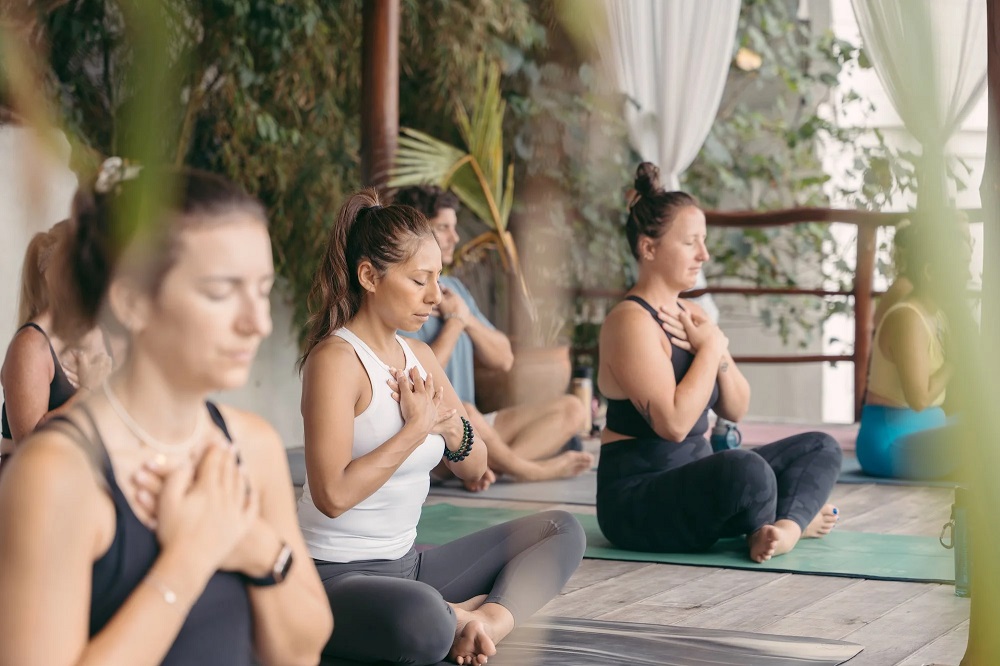
Modern life moves at a relentless pace. Constant digital connectivity, demanding work schedules, and endless daily responsibilities leave millions of people feeling physically exhausted and mentally depleted. In response to this chronic strain, many individuals turn to quick fixes, relying on caffeine for energy, sleep aids for rest, or isolated fitness routines to maintain physical health. However, true health extends far beyond physical exertion alone; it requires a harmonious connection between the body, mind, and emotional state.
Yoga and mindfulness offer a time-tested, integrative path toward comprehensive wellness. Rather than treating physical fitness and mental health as separate endeavors, combining mindful awareness with physical movement addresses the whole person. This holistic framework calms the nervous system, strengthens the physical body, reduces inflammation, and restores emotional balance, providing a sustainable blueprint for lifelong vitality.
The Synergy Between Yoga and Mindfulness
Although yoga and mindfulness are often discussed as distinct practices, they are deeply interconnected disciplines that enhance and reinforce each other.
Yoga is a ancient system of physical postures, controlled breathing exercises, and focused attention designed to unite physical movement with mental awareness. Mindfulness, rooted in contemplative traditions, is the practice of maintaining non-judgmental, present-moment awareness of your thoughts, bodily sensations, feelings, and surrounding environment.
When mindfulness is integrated into physical yoga postures, exercise transforms from a routine workout into a moving meditation. Instead of mindlessly moving through physical shapes while thinking about work or chores, you focus fully on the sensation of your breath, the alignment of your joints, and the subtle shifts in muscle tension. This deep inner focus quietens the active chatter of the mind and deepens physical execution.
Physical Health Benefits of an Integrated Practice
Regular practice of yoga and mindfulness provides significant, measurable physical benefits that enhance overall vitality and daily functional ability.
- Enhanced Flexibility and Joint Mobility: Holding gentle physical postures safely lengthens tight muscle groups, stretches connective tissue, and lubricates joint structures, reducing physical stiffness and improving overall movement freedom.
- Increased Functional Strength: Bodyweight yoga postures engage deep stabilizing muscles, particularly around the core, hips, and shoulders, building balanced physical strength without putting excessive compressive force on joints.
- Improved Posture and Alignment: Increased body awareness allows individuals to recognize poor postural habits, such as slouching at a desk or tensing the shoulders, and correct them throughout the day.
- Optimized Cardiovascular and Respiratory Function: Controlled breathing techniques expand lung capacity, strengthen respiratory muscles, and lower resting heart rate and blood pressure over time.
Because yoga can be adapted to any fitness level or physical limitation, it provides a safe, scalable approach to physical conditioning for individuals of all ages.
Mental and Emotional Transformation
Beyond physical mechanics, the primary power of yoga and mindfulness lies in their profound impact on the brain and nervous system.
Regulating the Nervous System
The human body responds to modern psychological stress through the sympathetic nervous system, commonly known as the fight-or-flight response. Prolonged activation of this system floods the body with stress hormones like cortisol and adrenaline, contributing to chronic fatigue, digestive issues, weakened immunity, and anxiety.
Mindful yoga practice activates the parasympathetic nervous system, often referred to as the rest-and-digest response. Deep, conscious abdominal breathing stimulates the vagus nerve, signaling to the brain that it is safe to relax. This shift reduces circulating stress hormones, slows the heart rate, and allows the body to redirect energy toward tissue repair, digestion, and immune defense.
Cultivating Emotional Resilience
Mindfulness teaches you to observe your internal experiences without immediate judgment or reactive movement. When uncomfortable physical sensations or anxious thoughts arise during a challenging posture or a difficult moment in life, mindfulness provides the mental space to notice the feeling without being overwhelmed by it.
Over time, this practice rewires your emotional response patterns. Instead of reacting impulsively to daily stressors, you learn to pause, process the situation calmly, and respond with intention and composure.
Core Elements of a Mindful Yoga Practice
To build a cohesive holistic routine, it helps to understand the foundational elements that make up an integrated practice.
Conscious Breathing Exercises
Breathing is the bridge connecting the conscious mind to the autonomic nervous system. Conscious breathing techniques anchor your focus in the present moment while regulating internal energy.
- Diaphragmatic Breathing: Expanding the belly fully on the inhale and contracting it gently on the exhale promotes maximum oxygen exchange and immediate physical relaxation.
- Alternate Nostril Breathing: A balancing technique that calms the nervous system, clears mental fatigue, and improves focus before meditation or physical movement.
- Equal Breathing: Matching the duration of your inhalation to your exhalation creates a steady, rhythmic cadence that quiets racing thoughts.
Physical Postures
Physical postures, or asanas, range from gentle restorative shapes supported by props to dynamic, strength-building sequences. Moving mindfully through these postures builds bodily awareness, releases held tension, and prepares the physical frame for quiet meditation.
Meditation and Guided Relaxation
Every practice should culminaate in a period of quiet reflection or deep relaxation, such as final relaxation pose or seated meditation. Resting quietly allows the nervous system to integrate the benefits of physical movement and deepens mental clarity.
Integrating Mindfulness Into Daily Life
The true measure of a yoga and mindfulness practice is not just how calm you feel on a yoga mat, but how effectively you carry that present-moment awareness into your everyday routines.
- Practice Mindful Eating: Turn off distractions during meals, chew your food thoroughly, and pay attention to the flavors, textures, and hunger cues of your body.
- Take Micro-Breathing Breaks: Set small reminders throughout your workday to pause, drop your shoulders away from your ears, and take three slow, deep abdominal breaths.
- Engage in Mindful Walking: During your daily commute or a outdoor walk, focus on the physical sensation of your feet striking the ground and the rhythm of your movement.
- Establish a Mindful Evening Transition: Unplug from digital screens thirty minutes before bed, replacing scrolling with gentle stretching or quiet reading to signal to your body that it is time for rest.
Small, consistent moments of awareness built into your day add up to a profound cumulative reduction in chronic stress.
Frequently Asked Questions
Do I need to be naturally flexible to practice yoga?
No, flexibility is a result of practicing yoga, not a prerequisite for it. Postures can be modified using props like blocks, straps, and bolsters to suit your current mobility level safely.
How often should I practice yoga and mindfulness to see results?
Consistency matters far more than duration. A short daily practice of ten to fifteen minutes produces better long-term physical and mental results than a two-hour session completed once every few weeks.
What is the best time of day to practice yoga and mindfulness?
The best time is whichever slot fits consistently into your personal schedule. Morning sessions help wake up the body and set a calm tone for the day, while evening practices release accumulated physical tension and prepare the mind for restorative sleep.
Can mindfulness help with chronic pain management?
Yes, mindfulness changes how the brain processes pain signals. By learning to observe painful physical sensations without emotional distress or resistance, many individuals experience a reduction in pain intensity and an improved quality of life.
How does yoga differ from standard stretching exercises?
While stretching focuses purely on lengthening physical muscle tissue, yoga integrates breath control, mental focus, and internal physical awareness. This combination engages the nervous system directly, providing both physical and psychological benefits.
What should I do if my mind wanders constantly during meditation?
Mind wandering is completely normal and expected. Mindfulness is not about clearing your mind of all thoughts; it is the process of gently noticing when your mind has drifted and returning your focus to your breath without frustration or self-judgment.