

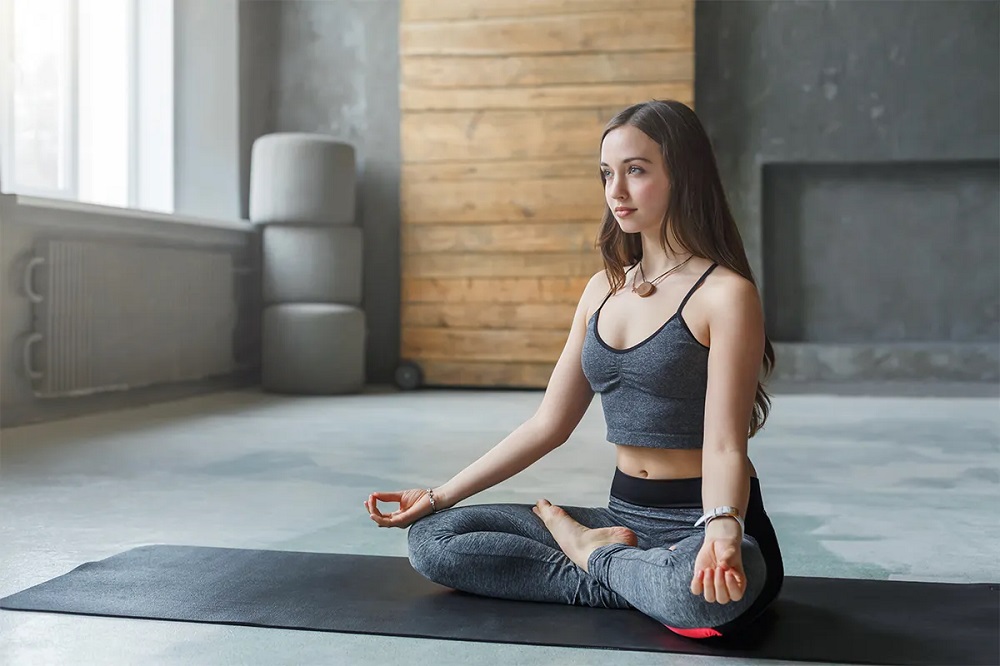
Stress is an inherent part of the human experience, but chronic stress has become a widespread modern epidemic. While acute stress serves an evolutionary purpose by preparing the body to respond to immediate threats, prolonged exposure to psychological strain dismantles physical and emotional health. Many conventional coping mechanisms focus on short-term relief, such as distractions, vacations, or quick physical outlets. While these methods provide temporary comfort, they rarely alter the underlying physiological patterns that maintain elevated stress levels.
Long-term stress management requires a structural shift in how the nervous system perceives and processes tension. Yoga provides a systematic, evidence-based methodology that integrates physical movement, breath control, and mental focus to rewire the body’s baseline stress response. Rather than serving as a momentary escape, a consistent yoga practice builds lasting psychological resilience and biological adaptability.
The Physiology of Chronic Stress and Allostatic Load
To understand how yoga aids in long-term stress management, one must first recognize what chronic stress does to the human body. When a person perceives a threat, whether physical or psychological, the brain activates the hypothalamic-pituitary-adrenal axis. This trigger prompts the adrenal glands to flood the bloodstream with stress hormones, primarily cortisol and adrenaline.
In short bursts, this reaction elevates heart rate, redirects blood flow to major muscle groups, and sharpens focus. However, when work pressure, financial worries, or personal conflicts keep this system permanently active, the body enters a state of allostatic overload. The cumulative wear and tear of this state leads to severe physiological consequences.
- Systemic Inflammation: Sustained cortisol levels impair the body’s ability to regulate inflammatory responses, increasing the risk of cardiovascular disease, joint pain, and metabolic disorders.
- Autonomic Imbalance: Chronic stress causes the sympathetic nervous system, responsible for the fight-or-flight response, to remain perpetually dominant while suppressing the parasympathetic nervous system, which governs rest, recovery, and digestion.
- Neuroendocrine Exhaustion: Overworked adrenal pathways can disrupt thyroid function, sleep architecture, and reproductive health, leading to pervasive exhaustion and mood volatility.
Effective stress management strategies must do more than distract the mind; they must actively down-regulate the sympathetic nervous system and restore autonomic equilibrium.
Neurological Mechanisms: How Yoga Rewires the Stress Response
Yoga regulates stress through direct interaction with the central and autonomic nervous systems. Through specific physical movements, deliberate breathing, and sustained attention, yoga alters neural architecture and neurotransmitter chemistry over time.
Vagus Nerve Stimulation and Vagal Tone
The vagus nerve is the main component of the parasympathetic nervous system, running from the brainstem down through the heart, lungs, and digestive tract. It acts as a primary brake on the body’s stress response. Yoga postures that involve conscious neck alignment, chest expansion, and controlled abdominal compression stimulate the vagus nerve.
Regular practice increases vagal tone, which measures the functional activity of the vagus nerve. High vagal tone allows the heart rate to slow down quickly after a stressful event, lowers baseline blood pressure, and improves overall emotional stability.
Neuroplasticity and Brain Architecture
Neuroimaging studies reveal that long-term yoga practitioners exhibit structural differences in key brain regions involved in emotional regulation.
- Amygdala Reductions: The amygdala is the brain’s fear and threat center. Consistent yoga practice reduces gray matter volume in the amygdala, decreasing overall reactivity to daily stressors.
- Prefrontal Cortex Thickening: The prefrontal cortex governs executive function, decision-making, and emotional control. Yoga increases gray matter density in this region, enabling individuals to pause, assess situations objectively, and respond calmly rather than reacting impulsively.
- Increased Hippocampal Volume: Chronic stress shrinks the hippocampus, a region critical for memory formation and stress regulation. Yoga stimulates neurogenesis in the hippocampus, helping buffer against cognitive decline and depression.
Neurotransmitter Balance
Physical yoga postures combined with deliberate breathing significantly elevate levels of gamma-aminobutyric acid, the primary inhibitory neurotransmitter in the central nervous system. Higher levels of gamma-aminobutyric acid suppress neural overactivity, calming racing thoughts and inducing a state of mental composure without pharmaceutical intervention.
Core Pillars of Yoga Driving Long-Term Resilience
Yoga is often reduced to physical flexibility in popular culture, but its stress-reduction power stems from an integrated three-part framework: breathwork, physical postures, and internal focus.
Pranayama: The Bridge Between Body and Mind
Pranayama, or controlled breathing exercises, represents the most direct tool for altering autonomic nervous system function. Unlike heart rate or digestion, respiration is unique because it operates both automatically and under conscious control.
By manipulating the depth, rhythm, and duration of the breath, individuals can intentionally signal safety to the brain. Lengthening the exhalation relative to the inhalation immediately stimulates parasympathetic tone, dropping the heart rate and reducing muscle tension. Techniques like alternate nostril breathing and box breathing train the brain to maintain composure during high-pressure situations.
Asana: Somatic Tension Release and Interoception
Physical postures release stored muscle tension that accumulates during prolonged stress. Chronic anxiety causes subconscious muscle guarding, particularly around the jaw, shoulders, hips, and lower back. Holding postures systematically releases these physical blockages and lowers resting muscle tone.
Furthermore, physical practice enhances interoception, which is the internal sense of the body’s physiological condition. Heightened interoceptive awareness allows individuals to recognize early signs of physical stress, such as shallow breathing or a clenched jaw, long before those signals escalate into full-blown anxiety attacks or emotional outbursts.
Pratyahara and Meditation: Mental De-Cluttering
Modern life subjects the brain to near-constant sensory overload, keeping the nervous system on high alert. The meditative aspects of yoga cultivate sensory withdrawal and sustained concentration. Training the mind to anchor its focus on a single point, such as the breath or physical sensations, breaks the cycle of rumination and anticipatory anxiety that drives long-term stress.
Integrating Yoga into a Broader Stress Management System
For yoga to serve as an effective long-term stress management strategy, it must be integrated into a larger lifestyle architecture rather than treated as an isolated exercise class.
- Establish Micro-Practices: You do not need an hour-long studio class every day to benefit from yoga. Short, five-to-ten-minute daily sessions focused on gentle movement and breath control are far more effective for long-term nervous system retraining than infrequent, intense sessions.
- Combine Movement with Sleep Hygiene: Practicing restorative yoga or yoga nidra in the evening lowers core body temperature and reduces evening cortisol production, directly improving sleep efficiency and deep sleep duration.
- Pair with Cognitive Strategies: Use the self-awareness gained through yoga to identify external stressors that require boundary setting. The mental clarity developed on the mat makes it easier to reorganize daily schedules, delegate tasks, and say no to unnecessary obligations.
By transforming yoga from a periodic exercise into a daily foundational habit, individuals build a resilient biological framework capable of navigating life’s inevitable challenges with composure and health.
Frequently Asked Questions
How does yoga nidra differ from physical yoga for stress management?
Yoga nidra, or yogic sleep, is a guided meditation technique practiced lying down that induces a state of conscious deep relaxation between waking and sleeping. While physical yoga uses movement to discharge nervous energy, yoga nidra works directly on brainwave frequencies, shifting the mind from active beta waves to slow alpha and theta waves. This state accelerates autonomic recovery, lowers cortisol, and restores mental clarity rapidly without physical exertion.
How long does it take for a regular yoga practice to produce measurable changes in baseline stress levels?
Physiological markers such as heart rate variability and reduced muscle tension often improve during your very first session. However, structural brain changes, sustained reductions in baseline cortisol, and long-term autonomic nervous system remodeling typically require consistent practice over eight to twelve weeks, with sessions performed three to five times per week.
Can dynamic or intense styles of yoga like Vinyasa be counterproductive for highly stressed individuals?
Dynamic styles can be helpful for discharging excess adrenaline and restless energy in individuals who find static holding difficult. However, if an individual is experiencing severe adrenal burnout or physical exhaustion, intense physical classes can act as an additional physical stressor. In such cases, restorative yoga, Yin yoga, or slow gentle flows are far more appropriate for nervous system recovery.
How does yoga help prevent stress-induced emotional eating and digestion problems?
Chronic stress activates the sympathetic nervous system, which diverts blood flow away from the gastrointestinal tract, leading to indigestion, bloating, and poor nutrient absorption. Yoga restores parasympathetic tone, promoting healthy digestion. Additionally, yoga increases mindfulness and interoceptive awareness, helping individuals distinguish between true physical hunger and stress-driven emotional cravings.
What is the connection between heart rate variability and yoga practice?
Heart rate variability measures the time variation between consecutive heartbeats and serves as a primary indicator of autonomic nervous system flexibility and stress resilience. Higher variability indicates a healthy, adaptable nervous system. Yoga breathwork and movement consistently increase heart rate variability by strengthening vagal tone, allowing the body to bounce back quickly after stressful encounters.
Is it necessary to practice yoga for a long time each day to experience long-term stress benefits?
No, duration is secondary to consistency. Research demonstrates that short, regular practices lasting ten to fifteen minutes daily yield better long-term improvements in stress resilience than a single ninety-minute session completed once a week. Frequent, short sessions provide regular signals of safety to the nervous system, gradually lowering its baseline reactivity.
How can yoga help manage workplace stress and burnout specifically?
Yoga equips professionals with portable stress-regulation tools that can be used directly at a desk. Techniques like seated breath control, subtle neck rolls, and brief posture adjustments interrupt the buildup of workplace tension. Moreover, the mental focus cultivated through yoga improves cognitive clarity and emotional regulation, reducing feelings of overwhelm, fatigue, and burnout during high-pressure work periods.