

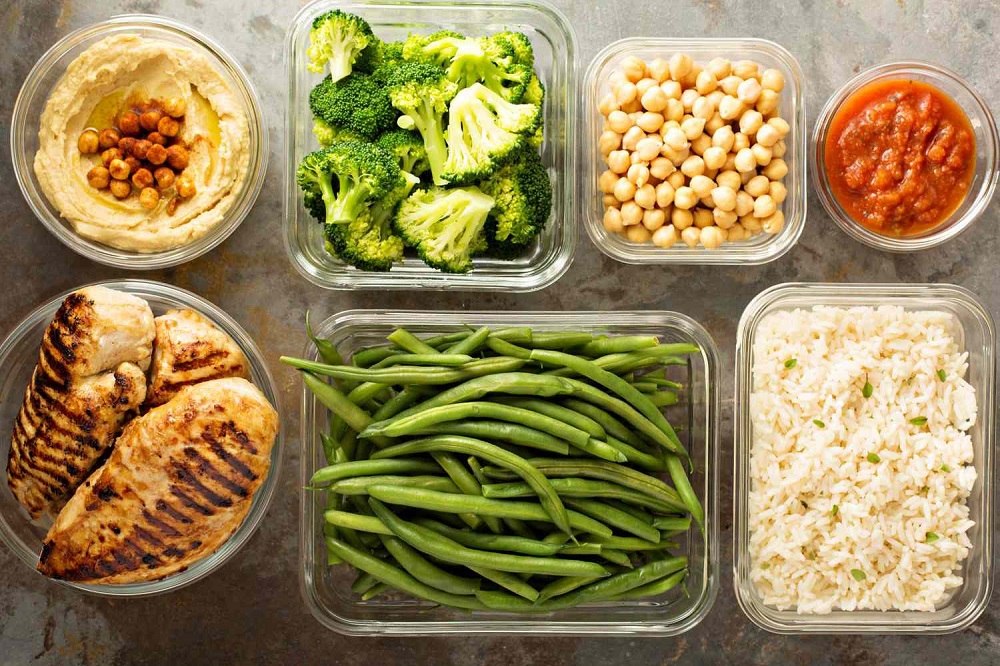
Weight management is a long-term commitment that requires a balanced, sustainable approach to eating rather than temporary fixes or extreme restrictions. Millions of people struggle with weight management due to conflicting nutrition advice, fad diets, and unrealistic expectations. Understanding how the body processes nutrients and adopting healthy eating habits can make achieving and maintaining a healthy weight straightforward and manageable.
Successful weight management relies on nourishing your body with nutrient-dense foods, controlling portion sizes, and developing a positive relationship with eating. Instead of focusing solely on calorie counting or eliminating entire food groups, a effective strategy focuses on lifestyle changes that support metabolic health, appetite control, and long-term wellness.
Prioritize Whole, Nutrient-Dense Foods
The foundation of any successful weight management strategy is a diet centered around whole foods. Whole foods are minimally processed and retain their natural vitamins, minerals, fiber, and antioxidants. Unlike ultra-processed foods, whole foods provide sustained energy and keep you full for longer periods.
- Vegetables and Fruits: Rich in essential vitamins, minerals, and water, fresh produce adds volume to meals without adding excessive calories. Leafy greens, berries, cruciferous vegetables, and apples are excellent choices.
- Whole Grains: Swap refined grains like white bread and regular pasta for whole grains such as quinoa, brown rice, oats, and barley. Whole grains digest slowly, providing steady energy and preventing blood sugar spikes.
- Lean Proteins: Foods like chicken breast, turkey, fish, tofu, eggs, and legumes help build and preserve muscle mass while boosting satiety.
- Healthy Fats: Incorporate moderate amounts of unsaturated fats from sources like avocados, nuts, seeds, and olive oil to support hormone production and nutrient absorption.
Focusing on whole foods naturally reduces your intake of added sugars, refined carbohydrates, and unhealthy fats, making weight management much easier to maintain over time.
Focus on High-Protein Meals
Protein plays a critical role in appetite regulation and weight management. When you consume protein, your body releases satiety hormones that signal to your brain that you are full. Furthermore, protein has a higher thermic effect than carbohydrates or fats, meaning your body expends more energy digesting and processing it.
Preserving Muscle Mass During Calorie Deficits
When reducing overall calorie intake, the body can break down muscle tissue alongside body fat. Maintaining an adequate protein intake ensures that your body preserves lean muscle mass. Lean muscle tissue burns more calories at rest than fat tissue, supporting a healthy metabolic rate.
Practical Ways to Increase Protein Intake
- Start your morning with a high-protein breakfast, such as scrambled eggs with spinach or Greek yogurt topped with chia seeds.
- Include a palm-sized portion of lean protein with every main meal.
- Keep convenient high-protein snacks nearby, such as hard-boiled eggs, edamame, or plain cottage cheese.
- Swap refined grain snacks for roasted chickpeas or edamame to boost daily protein totals effortlessly.
Embrace Fiber for Satiety and Digestive Health
Dietary fiber is another powerful tool for managing body weight. Fiber is a non-digestible carbohydrate found in plant foods that expands in the stomach and slows down digestion. This delayed gastric emptying keeps you feeling satisfied for hours after eating, reducing the temptation to overeat between meals.
Soluble vs. Insoluble Fiber
Soluble fiber dissolves in water to form a gel-like substance in your digestive tract. This gel slows glucose absorption, helping to stabilize blood sugar levels and prevent sudden spikes in hunger. Foods rich in soluble fiber include oats, beans, lentils, apples, and flaxseeds.
Insoluble fiber adds bulk to your stool and promotes regular bowel movements, keeping your digestive system functioning smoothly. Vegetables, whole wheat products, and wheat bran are rich sources of insoluble fiber. Aim for a total daily fiber intake of 25 to 38 grams through varied plant foods.
Master Portion Control and Mindful Eating
Eating high-quality foods is essential, but total volume still matters. Overeating healthy foods can still prevent weight loss or lead to unwanted weight gain. Practicing portion control and mindful eating allows you to enjoy meals fully while keeping calorie intake aligned with your goals.
- Use Smaller Plates: Serving food on smaller dishware creates a visual cue that tricks your brain into feeling satisfied with appropriate portion sizes.
- Measure Portions Initially: Use measuring cups or a kitchen scale for a week or two to gain an accurate sense of standard serving sizes for dense foods like nuts, oils, and pasta.
- Avoid Screen Distractions: Turn off the television and put away your phone during meals. Eating while distracted leads to passive overconsumption because your brain misses fullness signals.
- Chew Thoroughly: Take time to chew each bite completely and rest your utensils between bites. It takes roughly twenty minutes for your stomach to communicate fullness to your brain.
Recognizing internal cues of physical hunger versus emotional cravings is crucial. Before reaching for a snack, pause to assess whether you are genuinely hungry or simply bored, stressed, or tired.
Stay Consistently Hydrated
Hydration is often overlooked in weight management, yet water plays a key role in metabolic function, digestion, and appetite control. Mild dehydration is frequently mistaken for hunger, leading people to consume extra calories when their bodies simply need fluid.
Drinking Water Before Meals
Drinking a full glass of water roughly thirty minutes before eating can fill part of your stomach volume, naturally reducing calorie intake during the meal. Water also aids digestion and helps your body efficiently break down nutrients.
Replace High-Calorie Beverages
Liquid calories from sugar-sweetened sodas, commercial fruit juices, sweetened coffee drinks, and alcohol contribute significant calories without providing satiety. Replacing these beverages with plain water, sparkling water with a squeeze of lemon, or unsweetened herbal tea removes hundreds of empty calories from your daily routine.
Plan Meals and Prepare in Advance
Impulsive food choices made when you are ravenously hungry rarely align with weight management goals. Meal planning removes decision fatigue and makes healthy choices the easiest option.
Set Aside Preparation Time
Dedicating a couple of hours on weekends to plan your weekly menu, purchase groceries, and prep ingredients sets you up for consistency. Pre-chop vegetables, cook a batch of whole grains, and grill or bake lean proteins so quick meals can be assembled effortlessly on busy weeknights.
Keep Healthy Options Accessible
Store prepped fruits and raw vegetables at eye level in the refrigerator. Keep single-serve portions of raw nuts or whole-grain crackers in your car or office desk so you always have a nutritious option ready when hunger strikes away from home.
Frequently Asked Questions
Is counting calories necessary for weight loss?
Counting calories is not strictly necessary for everyone, though it can be a helpful educational tool initially. Focusing on quality whole foods, protein, fiber, and portion awareness often allows individuals to manage their weight naturally without meticulously tracking every calorie.
How many meals should I eat per day for weight management?
Meal frequency depends entirely on personal preference and lifestyle. Whether you prefer three balanced meals or five smaller meals throughout the day, the total daily quality and quantity of food consumed matter far more than meal frequency.
Should I completely eliminate carbohydrates to lose weight?
No, eliminating carbohydrates is unnecessary and difficult to maintain long-term for most people. Carbohydrate sources like whole grains, vegetables, fruits, and legumes supply vital fiber, vitamins, and energy. Selecting complex carbohydrates over refined sugars is the most effective strategy.
How does stress affect diet and weight management?
Chronic stress elevates levels of the hormone cortisol, which can increase appetite, trigger cravings for high-sugar and high-fat comfort foods, and promote fat storage, particularly around the abdomen. Managing stress through exercise, sleep, and relaxation techniques supports weight goals.
Why is sleep important for maintaining a healthy weight?
Inadequate sleep disrupts the hormones ghrelin and leptin, which regulate hunger and fullness. Poor sleep increases ghrelin, making you feel hungrier, and decreases leptin, reducing feelings of satisfaction after eating, which often leads to late-night snacking and overeating.
Can drinking water boost my metabolism?
Drinking adequate water temporarily boosts metabolism slightly through thermogenesis, as your body expends energy to warm ingested water to body temperature. More importantly, proper hydration ensures your cellular metabolic processes function at peak efficiency.